
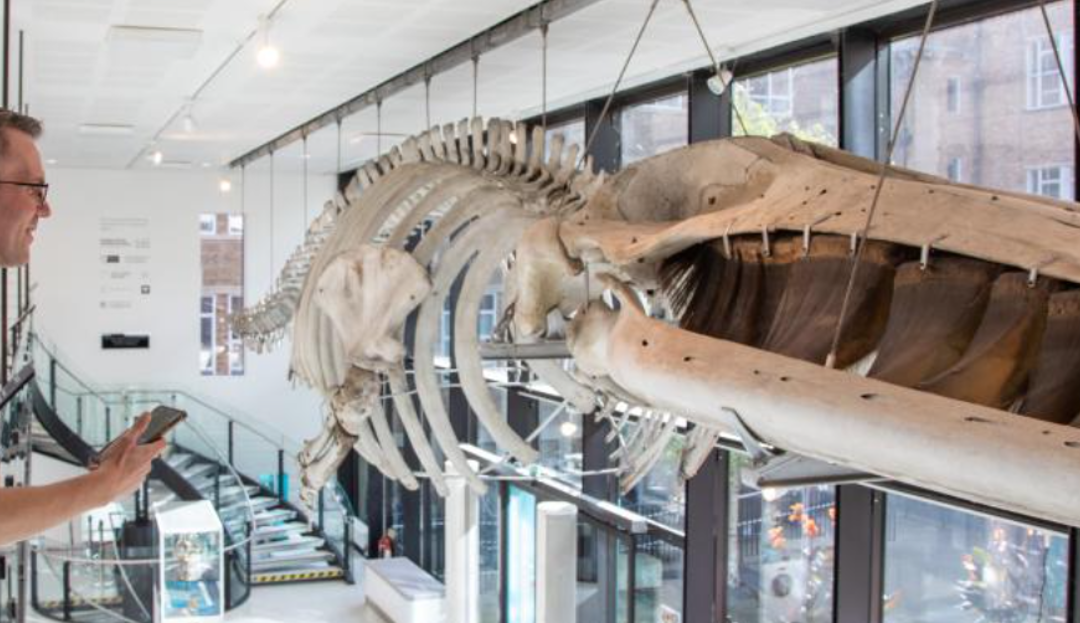
Imagine a child having a chat with a cockroach, or a panda bear or even an ancient whale skeleton? It’s happening in Cambridge.
Researchers at the University of Cambridge want to ‘reverse a growing apathy towards biodiversity loss’. The world’s third oldest university (founded in 1209) is exploring whether generative Artificial Intelligence can help its biodiversity museum.
Graduates from the University also observed an interesting AI insight:
‘people seem to feel more connected to machines when they can talk to them’.
SO, INSTEAD OF ASKING ‘HOW CAN AI HELP MY MUSEUM?’ (Wrong Question),
They asked ‘How can AI help our visitors?’ (Right Question)
and then they asked these even more detailed questions:
How can AI help my visitors to:
(a) engage with the museum
(b) engage with biodiversity ie the variety of life on earth/species diversity etc. (Right Question)
THE AI MAGIC
The research team thought about bringing the specimens to life through AI – in the same way that we previously explored how AI can ‘resurrect’ the dead (see ‘Will Chatbots and Avatars makes us immortal’ ). The Cambridge project enables these ‘resurrected animals’ to converse with visitors – as if the ‘specimens were still alive’.
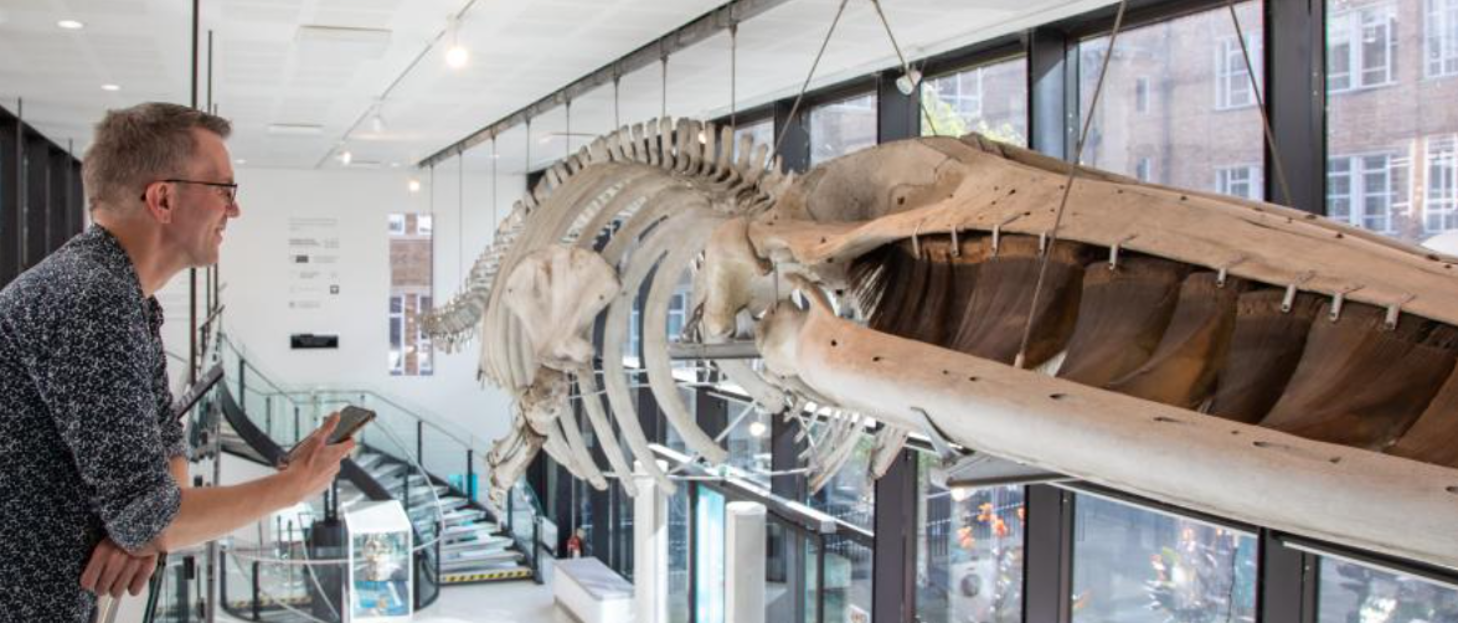
Image: Courtesy of The University of Cambridge’s Biodiversity Museum
HOW TO SCALE-UP PERSONALIZATION (Great Question)
Firstly, the conversations can be voice – or text-based to suit all visitors.
Secondly, adding ‘Age Adaptive’ functionality (the animals adjust their tone & language to match the visitor’s age).
Thirdly, adding ‘Language Adaptive’ functionality (the animals speak in 20 languages) gives access to more visitors.
Creating an Opportunity to Connect People with Non-Human-Life
This is phenomenal. Although the technology has existed for some time (see The July Project, PR Smith), these GPTs are now delivering a radically improved CX (Customer Experience). Sir Michael Parkinson (Britain’s favourite 1-2-1 interviewer/chat show) died last year but is being resurrected by his son as Virtually Parkinson, which enables new guests to be questioned in Parkinson’s famous relaxed style in a new celebrity interview podcast.
Meanwhile back in Cambridge, museum visitors scan the QR code which opens the chat box on their mobile phone. Visitors can then choose from 13 specimens (including a #dodo, whale skeletons, a taxidermied red panda & a preserved cockroach) & start chatting with them.
THE VIRTUOUS CYCLE OF DATA IN AI
All the conversations are recorded with the visitors’ permission. They are then all converted to text. This is valuable data. The team and the AI’s Large Language Model will then analyse data from all of the conversations, so they learn more about:
(1) what visitors really want to know about the specimens on display
(2) how AI can help the public to better engage with nature
(3) and about the potential for AI in museums.
In AI, the ‘virtuous cycle’ refers to a positive feedback loop where data is continually collected to be analysed to find deeper needs or insights which are then used to boost the CX (customer experience) which, in turn, attracts more customers. More customers = more data = deeper understanding of needs = improved product/service = better CX = more customers and so on. This cycle enhances the AI system’s effectiveness over time as more data is gathered and used. It can also lead to generating better insights, leading to more data and further model refinement.
EXPERIMENTAL DATA
This extra data can become the source of your Competitive Advantage. ‘A test and learn‘ mentality is essential for translating that data from raw material into customer insights. Knowing your customers far better than your competitors know their customers is a very real competitive advantage. However, customer insights are worthless if they are not acted upon. So a flexible or agile approach is required to turn the insights into actions so you can really leverage the benefits of AI.
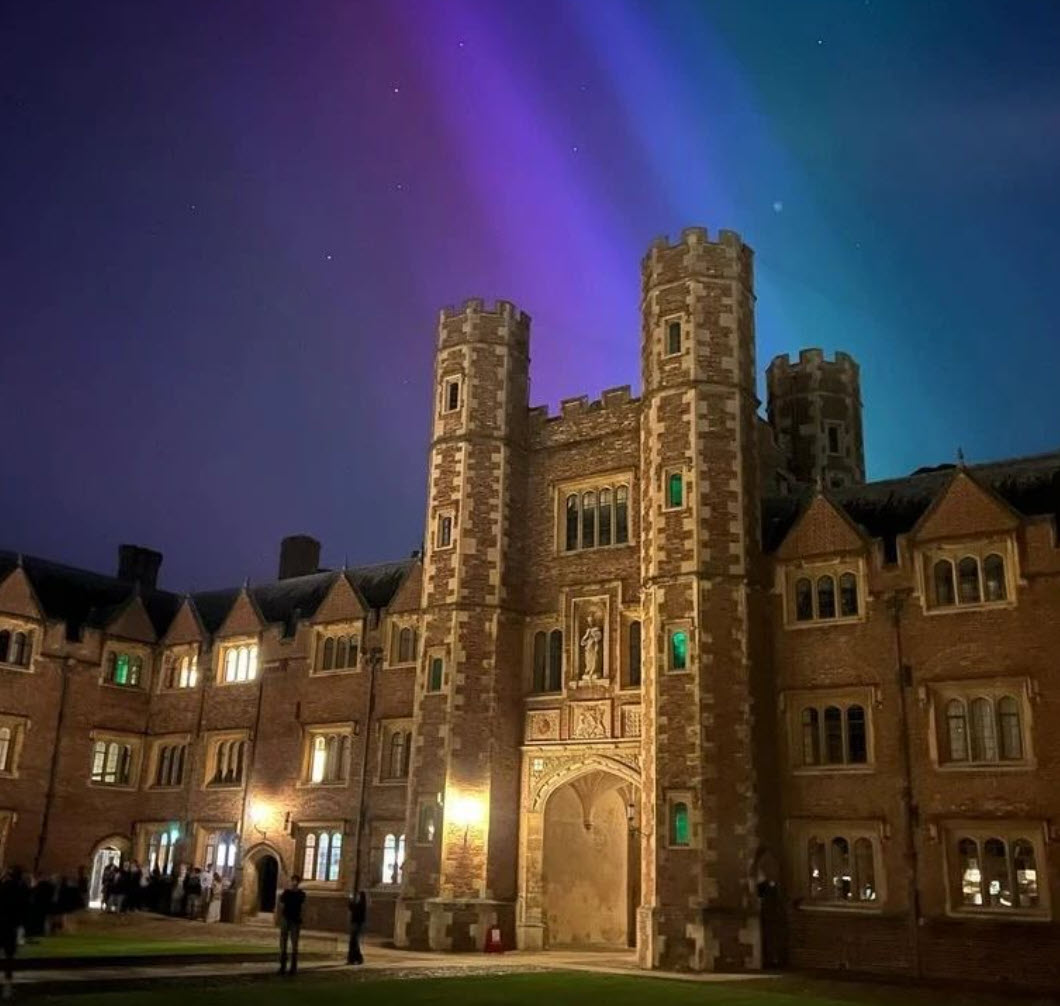
Image: courtesy of the University of Cambridge Instagram Note: *The Cambridge Masters in Conservation Leadership is a ground-breaking course that equips students with the applied leadership and management skills needed to create positive change in conservation.
References:
[] The University of Cambridge (2024) ‘Public invited to chat to museum animals in novel AI experiment’, Research News, November.
[] Smith, PR (2023) Will ChatGPT + ChatBots + Avatars Make Us Immortal?
KEEP UP WITH DEVELOPMENTS IN #AI, INNOVATION & ETHICS in our weekly chat on PR Smith Marketing Linkedin profile – audio event – live from 1pm – 1.30pm. Take a break and Keep Up To Date! It’s good for you.
If you like this post you might also enjoy:
Will ChatGPT + ChatBots + Avatars Make Us Immortal?
Chinese GirlBot With 465m Boyfriends
Artificial Influencers Use My Magic Marketing Formula (IRD)
Artificial Influencers – Meet Shudu & Miquela
Here Come The Clever Bots – bursting with artificial intelligence?
Here Come The Really Clever Bots – where AI meets customer needs